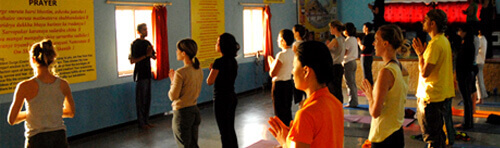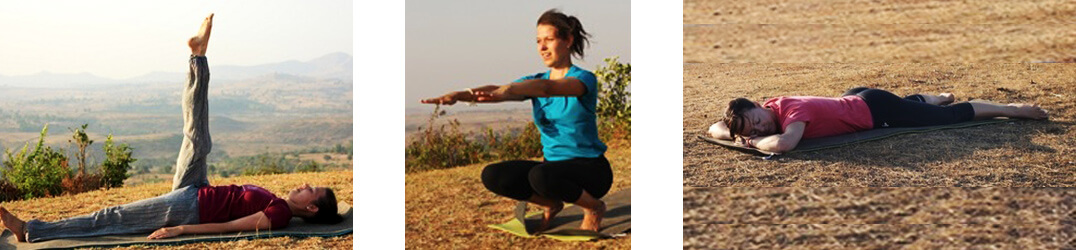

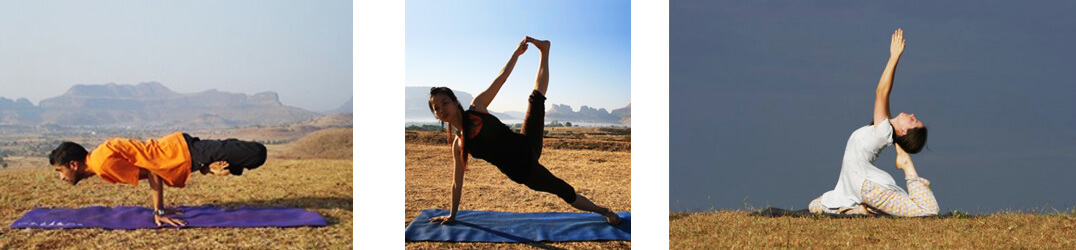

Asana is yoga pose or posture or position of the body. Patanjali in Ashtanga yoga defines asanas as Steady and Comfortable pose.
READ MORE
A healthy and peaceful body is the starting point for advance practices. This is the purpose of Asanas
READ MORE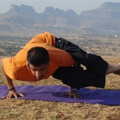
The asanas can be classified or catagorized in various ways, depending on the application of the asanas, usefulness to various physical conditions, level of practice
READ MORE
Asanas on the other hand, are different as far as taking the position (slow and controlled movements), maintaining the position (steadiness, comfort & relaxation) and releasing the position are concerned. The asanas (physical positions) can be mastered progressively through following four levels
READ MOREPhone - +91-9822770727
E-mail - yoga@yogapoint.com or yogapoint108@gmail.com
Yoga Vidya Dham, Kaivalya Nagari,
College Road, Nashik - 422005.
Maharashtra, India.
Phone - +91-9822770727 (for courses in ENGLISH)
+91-253-2318090 (For courses, in HINDI or MARATHI)
(Please call during 9.00 AM to 5 PM Indian Time)
E-mail - yoga@yogapoint.co or yogapoint108@gmail.com
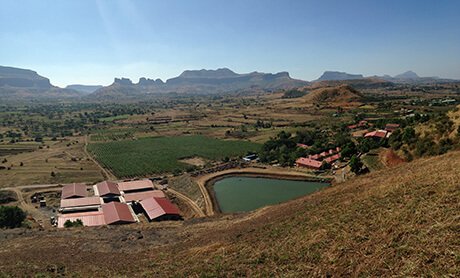
Village Talwade, Trimbak, Nasik
Maharashtra,India.
Phone - +91-9822770727
E-mail - yoga@yogapoint.com or yogapoint108@gmail.com

Some text will come here Content will come here for this section.
Build a proper sequence of yoga positions or yoga poses for yourself depending on various factors like health condition, age, physical problems, weight,application. Our unique personalized yoga program allows you to get the most beneficial and safe yoga poses sequence.
Our program is based on the statistical data of more than 300000 students in last 40 years. It is supported by lot of research and experiences of yoga practitioners.